Foundational Papers
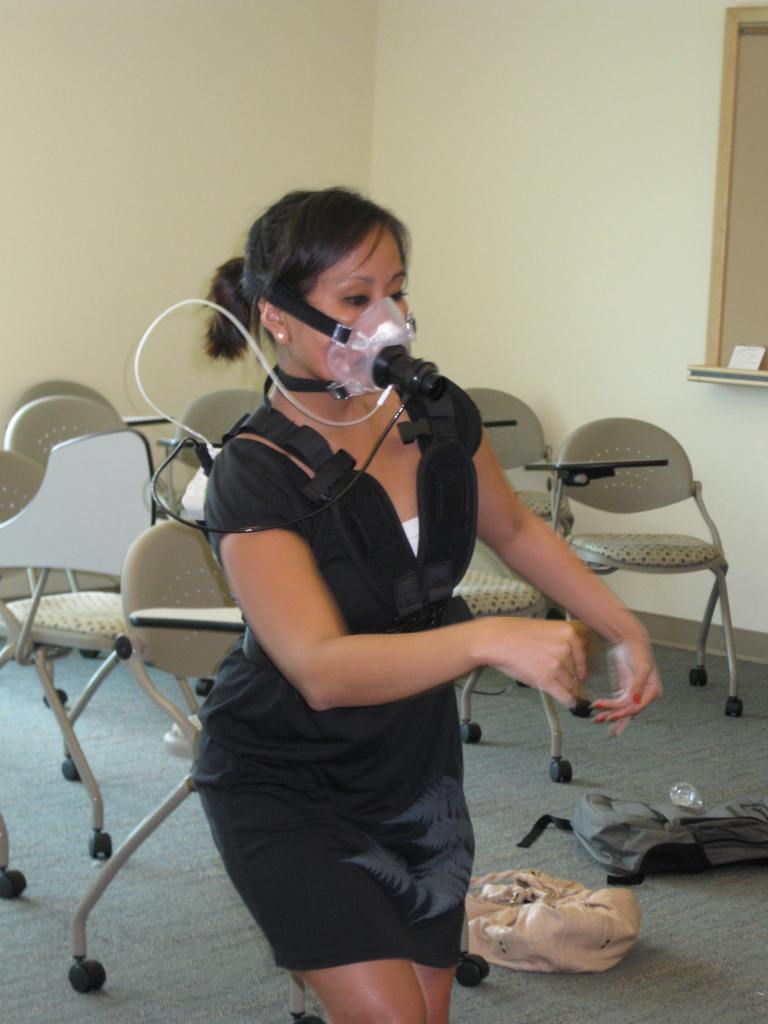
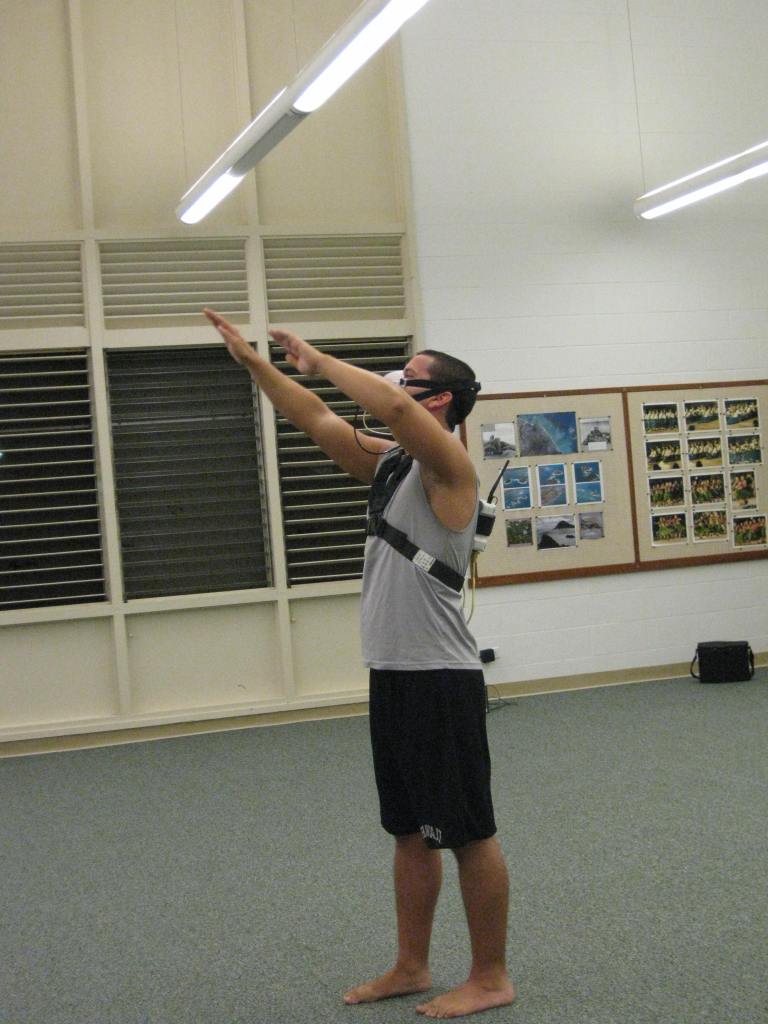
Metabolic equivalent determination in the cultural dance of hula
Usagawa, T., Look, M., de Silva, M., Stickley, C., Kaholokula, J. K., Seto, T., & Mau, M. (2014)
International Journal of Sports Medicine, 35(5), 399–402
Read the abstract
Ethnic minorities share an unequal burden of cardiometabolic syndrome. Physical activity (PA) has been shown to be an important factor for improving the outcomes of these diseases. While metabolic equivalents (METs) have been calculated for diverse activities, most cultural activities have not been evaluated. Hula, the traditional dance of Native Hawaiians, is practiced by men and women of all ages but its MET value is unknown. To our knowledge, this is the first scientific evaluation of energy expenditure of hula. 19 competitive hula dancers performed 2 dance sets of low- and high-intensity hula. METs were measured with a portable indirect calorimetry device. Mean and standard deviations were calculated for all the variables. A 2-way ANOVA was conducted to identify differences for gender and intensity. The mean MET were 5.7 (range 3.17–9.77) and 7.55 (range 4.43–12.0) for low-intensity and high-intensity, respectively. There was a significant difference between intensities and no significant difference between genders. This study demonstrates that the energy expenditure of both low- and high-intensity hula met the recommended guidelines for moderate and vigorous intensity exercise, respectively, and that hula can be utilized as a prescribed PA.
Kumu hula perspectives on health
Look, M. A., Maskarinec, G. G., de Silva, M., Seto, T., Mau, M. L., & Kaholokula, J. K. (2014)
Journal of Medicine & Public Health : A Journal of Asia Pacific Medicine & Public Health, 73(12 Suppl 3), 21–25
Read the abstract
To prepare for research studies that would evaluate the impact of utilizing hula as part of chronic disease management programs, kumu hula were interviewed to gather their views regarding hula’s traditional and contemporary connections to health and suggest ways to maintain hula’s cultural integrity while meeting health outcomes. Kumu hula viewed health as the full integration of physical, mental, emotional, and spiritual well-being. They believed if care is taken to preserve its cultural integrity, hula may be an effective integrated modality for health interventions.
Developing a culturally based cardiac rehabilitation program: the HELA study
Look, M. A., Kaholokula, J. K., Carvhalo, A., Seto, T., & de Silva, M. (2012)
Progress in Community Health Partnerships : Research, Education, and Action, 6(1), 103–110
Read the abstract
Background
Heart disease disproportionately affects Native Hawaiians and other Pacific people. In response, researchers proposed and communities endorsed, developing a cardiac rehabilitation (CR) program based on the hula, a Native Hawaiian dance form. The utilization of cultural practices in health interventions can improve outcomes and increase enrollment and retention, but requires sensitivity and understanding.
Objective
This paper provides the conceptual framework and methods used for integration of multiple communities’ perspectives to inform the design of a hula-based CR intervention.
Methods
Specific strategies and processes were established to ensure the equity of scientific—clinical and patient— cultural knowledge and perspectives. Multiple methods were used and a flow diagram defined steps for the intervention development.
Results
Patient and cultural consultations provided information about the multidimensional benefits of hula and its use in a CR intervention. Clinical and scientific consultations provided specific guidelines for exercise prescription and patient monitoring. Integrating findings from all consultations identified important direction and requirements.
Conclusions
Community-based participatory research (CBPR) principles guided a complex collaboration of multiple communities; although time consuming, inclusive consultations provided valuable information and relationships.
Developing culturally-responsive health promotion: insights from cultural experts
Look, M. A., Maskarinec, G. G., de Silva, M., Werner, K., Mabellos, T., Palakiko, D. M., Haumea, S. L., Gonsalves, J., Seabury, A. A., Vegas, J. K., Solatorio, C., & Kaholokula, J. K. (2023)
Health Promotion International, 38(2), daad022
Read the abstract
Culturally-responsive health promotion initiatives are important to the creation of health equity for Indigenous and minority populations and these initiatives are complex and time-intensive to establish. The knowledge and resources of cultural experts are often pivotal in programs, yet there is minimal research on effective collaborations. The KāHOLO Project demonstrated strong success in the management of uncontrolled hypertension in the high-risk Indigenous population through a 6-month program based on the Hawaiian cultural dance of hula. This program was developed utilizing a community-based participatory research approach and implemented by cultural experts. To better understand the effectiveness of the research endeavor and program, six experienced hula experts and educators who delivered the community-based program were interviewed. As skilled and trusted cultural experts they set a safe supportive learning environment that promoted health and cultural goals. They articulated it was important the program maintained cultural priorities and integrity. Through the methodical establishment of mutual respect, cooperation on research protocols and requirements was achieved. The development of cultural experts as health allies offers important inroads to the inclusion of minority and Indigenous cultures in health programming.
Assessment and Priorities for Health and Well-Being in Native Hawaiian and Pacific Islanders
Look M.A., Soong S., Kaholokula, J.K. (2020)
Honolulu, HI. Department of Native Hawaiian Health, John A. Burns School of Medicine, University of Hawaiʻi
About the report
This report is an update of the well-received Assessment and Priorities for Health and Well-Being of Native Hawaiians and Pacific Peoples published in 2013. We, at the University of Hawai‘i, John A. Burns School of Medicine, Department of Native Hawaiian Health, together with the Queen’s Health Systems, have collaborated once again to provide an updated broad summary of the health status and priorities of our Native Hawaiian and Pacific Islander communities to enable community leaders, policymakers, academic institutions, and other stakeholders make meaningful decisions and take informed actions.
Community leaders and organizations serving Native Hawaiians and Pacific Islanders (NHPI) have shared with us that the 2013 report was particularly useful in explaining the causes and solutions to health disparities to funders, researchers, clinicians, policymakers, and the leadership of our healthcare systems. They specifically requested the addition of historical background information to deepen the understanding of the root causes of health inequities. In addition to providing a historical background in this report, we also assess the present health and well-being of NHPI and describe current health inequities from the most current scientific papers and data sources. We also share leading-edge, evidence-based solutions found in culturally-responsive programs and approaches with a demonstrated appeal to NHPI communities, families, and individuals. In conclusion, we offer recommendations and best practices for continuing work toward health equity.
Outcome and Methodology Papers
A Cultural Dance Program Improves Hypertension Control and Cardiovascular Disease Risk in Native Hawaiians: A Randomized Controlled Trial
Kaholokula, J. K., Look, M., Mabellos, T., Ahn, H. J., Choi, S. Y., Sinclair, K. A., Wills, T. A., Seto, T. B., & de Silva, M. (2021)
Annals of Behavioral Medicine : A Publication of the Society of Behavioral Medicine, 55(10), 1006–1018
Read the abstract
Background
Native Hawaiians have higher hypertension (HTN) and cardiovascular disease (CVD) rates than non-Hispanic whites, calling for culturally responsive interventions to close this gap.
Purpose
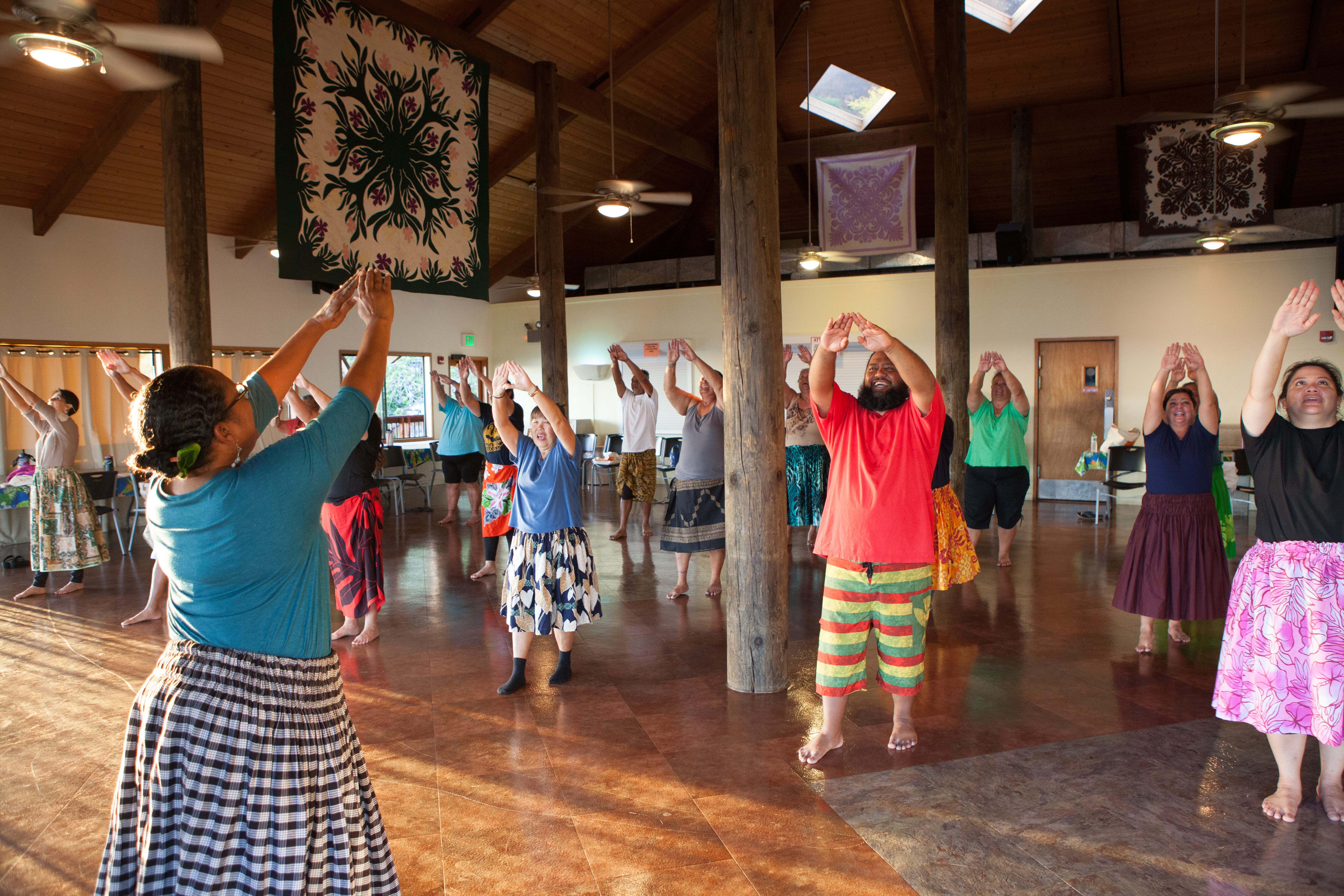
We tested the effects of a 6-month behavioral intervention, a cultural dance program based on hula (the customary dance of Hawai’i), for improving blood pressure (BP) and CVD risk among Native Hawaiians with uncontrolled HTN.
Methods
In a randomized controlled trial, we tested the effects of the hula-based intervention among 263 Native Hawaiians with uncontrolled HTN (systolic ≥ 140 or ≥ 130 mmHg if diabetes) and no CVD at enrollment. All participants received a brief culturally tailored heart health education before random assignment to the hula-based intervention (n = 131) or the education-only waitlist control (n = 132). Intervention received hula lessons and group-based activities for 6 months. Control received only 1-week education through 6 months.
Results
Intervention yielded greater reductions in systolic (−15.3 mmHg) and diastolic (−6.4 mmHg) BP than control (−11.8 and −2.6 mmHg, respectively) from baseline to 6 months (p < .05). At 6 months, 43% of intervention participants compared to 21% of controls achieved a HTN stage <130/80 mmHg (p < .001). The 10-year CVD risk reduction was two times greater for the intervention group than the control group based on the Framingham Risk Score calculator. All improvements for intervention participants were maintained at 12 months.
Conclusions
This trial represents one of the few rigorously conducted examinations of an Indigenous practice leveraged for health promotion, with implications for other ethnic populations.
Cultural Dance Program Improves Hypertension Management for Native Hawaiians and Pacific Islanders: a Pilot Randomized Trial
Kaholokula, J. K., Look, M., Mabellos, T., Zhang, G., de Silva, M., Yoshimura, S., Solatorio, C., Wills, T., Seto, T. B., & Sinclair, K. A. (2017)
Journal of Racial and Ethnic Health Disparities, 4(1), 35–46
Read the abstract
Objective
Native Hawaiians and Pacific Islanders (NHPI) bear an unequal burden of hypertension and cardiovascular disease. Hula, the traditional dance of Hawaii, has shown to be a culturally meaningful form of moderate-vigorous physical activity for NHPI. A pilot study was done in Honolulu, Hawaii, to test a 12-week hula-based intervention, coupled with self-care education, on blood pressure management in NHPI with hypertension in 2013.
Method
NHPI with a systolic blood pressure (SBP) ≥140 mmHg were randomized to the intervention (n = 27) or a wait-list control (n = 28). Blood pressure, physical functioning, and eight aspects of health-related quality of life (HRQL) were assessed.
Results
The intervention resulted in a reduction in SBP compared to control (−18.3 vs. −7.6 mmHg, respectively, p ≤ 0.05) from baseline to 3-month post-intervention. Improvements in HRQL measures of bodily pain and social functioning were significantly associated with SBP improvements in both groups.
Conclusion
Using hula as the physical activity component of a hypertension intervention can serve as a culturally congruent strategy to blood pressure management in NHPI with hypertension.
Trial registration
ClinicalTrials.gov Identifier: NCT01995812
Kā-HOLO Project: a protocol for a randomized controlled trial of a native cultural dance program for cardiovascular disease prevention in Native Hawaiians
Kaholokula, J. K., Look, M. A., Wills, T. A., de Silva, M., Mabellos, T., Seto, T. B., Ahn, H. J., Sinclair, K. A., Buchwald, D., & Kā-HOLO Project (2017)
BMC Public Health, 17(1), 321
Read the abstract
Background
As a major risk factor for cardiovascular and cerebrovascular disease (CVD), hypertension affects 33% of U.S. adults. Relative to other US races and ethnicities, Native Hawaiians have a high prevalence of hypertension and are 3 to 4 times more likely to have CVD. Effective, culturally-relevant interventions are needed to address CVD risk in this population. Investigators of the Kā-HOLO Project developed a study design to test the efficacy of an intervention that uses hula, a traditional Hawaiian dance, to increase physical activity and reduce CVD risk.
Methods
A 2-arm randomized controlled trial with a wait-list control design will be implemented to test a 6-month intervention based on hula to manage blood pressure and reduce CVD risk in 250 adult Native Hawaiians with diagnosed hypertension. Half of the sample will be randomized to each arm, stratified across multiple study sites. Primary outcomes are reduction in systolic blood pressure and improvement in CVD risk as measured by the Framingham Risk Score. Other psychosocial and sociocultural measures will be included to determine mediators of intervention effects on primary outcomes. Assessments will be conducted at baseline, 3 months, and 6 months for all participants, and at 12 months for intervention participants only.
Discussion
This trial will elucidate the efficacy of a novel hypertension management program designed to reduce CVD risk in an indigenous population by using a cultural dance form as its physical activity component. The results of this culturally-based intervention will have implications for other indigenous populations globally and will offer a sustainable, culturally-relevant means of addressing CVD disparities.
Trial registration
ClinicalTrials.gov: NCT02620709
Patient perspectives on the Hula Empowering Lifestyle Adaptation Study: benefits of dancing hula for cardiac rehabilitation
Maskarinec, G. G., Look, M., Tolentino, K., Trask-Batti, M., Seto, T., de Silva, M., & Kaholokula, J. K. (2015)
Health Promotion Practice, 16(1), 109–114
Read the abstract
Background
The Hula Empowering Lifestyle Adaption Study, funded by the National Institute on Minority Health and Health Disparities, was a 5-year research trial evaluating the impact of the traditional Native Hawaiian dance form, hula, as an exercise modality for cardiac rehabilitation, compared with usual care, on individuals recently hospitalized for a cardiac event or who had recently undergone coronary artery bypass surgery.
Method and results
Seeking to learn what physical, mental, spiritual, and social effects the intervention may have had for participants, we interviewed 20 of a total of 35 patients who were enrolled in the dance arm of the study. Classical thematic triangulation analysis was used. Participants recognized that hula’s coordination of body, mind, and spirit as a group activity deepened their appreciation of and connections to Hawaiian culture. This was true for those who were Native Hawaiian, connecting to their own cultural heritage, as well as for non–Native Hawaiians, who found that it improved their appreciation of the surrounding cultural traditions of the host culture where they now live.
Conclusions
Not only was hula a safe activity that improved functional capacity, participants also regarded its significant sociocultural aspects—even for participants who are not Native Hawaiian —as enhancing its value and meaningfulness. Learning the words of well-known Hawaiian songs provided additional long-term cues that encouraged “ownership” of the therapy and acted as practical reminders of the importance of exercise and lifestyle moderation while also offering new spiritual connections to the surrounding social environment.
Cost Effectiveness of a Cultural Physical Activity Intervention to Reduce Blood Pressure Among Native Hawaiians with Hypertension
Railey, A. F., Muller, C., Noonan, C., Schmitter-Edgecombe, M., Sinclair, K., Kim, C., Look, M., & Kaholokula, J. K. (2022)
PharmacoEconomics – Open, 6(1), 85–94
Read the abstract
Objective
The aim of this study was to calculate the costs and assess whether a culturally grounded physical activity intervention offered through community-based organizations is cost effective in reducing blood pressure among Native Hawaiian adults with hypertension.
Methods
Six community-based organizations in Hawai‘i completed a randomized controlled trial between 2015 and 2019. Overall, 263 Native Hawaiian adults with uncontrolled hypertension (≥ 140 mmHg systolic, ≥ 90 mmHg diastolic) were randomized to either a 12-month intervention group of hula (traditional Hawaiian dance) lessons and self-regulation classes, or to an education-only waitlist control group. The primary outcome was change in systolic blood pressure collected at baseline and 3, 6, and 12 months for the intervention compared with the control group. Incremental cost-effectiveness ratios (ICERs) were calculated for primary and secondary outcomes. Non-parametric bootstrapping and sensitivity analyses evaluated uncertainty in parameters and outcomes.
Results
The mean intervention cost was US$361/person, and the 6-month ICER was US$103/mmHg reduction in systolic blood pressure and US$95/mmHg in diastolic blood pressure. At 12 months, the intervention group maintained reductions in blood pressure, which exceeded reductions for usual care based on blood pressure outcomes. The change in blood pressure at 12 months resulted in ICERs of US$100/mmHg reduction in systolic blood pressure and US$93/mmHg in diastolic blood pressure. Sensitivity analyses suggested that at the estimated intervention cost, the probability that the program would lower systolic blood pressure by 5 mmHg was 67 and 2.5% at 6 and 12 months, respectively.
Conclusion
The 6-month Ola Hou program may be cost effective for low-resource community-based organizations. Maintenance of blood pressure reductions at 6 and 12 months in the intervention group contributed to potential cost effectiveness. Future studies should further evaluate the cost effectiveness of indigenous physical activity programs in similar settings and by modeling lifetime costs and quality-adjusted life-years.
Trial Registration Number
NCT02620709
Culturally responsive approaches to health promotion for Native Hawaiians and Pacific Islanders
Kaholokula, J. K., Ing, C. T., Look, M. A., Delafield, R., & Sinclair, K. (2018)
Annals of Human Biology, 45(3), 249–263
Read the abstract
Context
Obesity, diabetes and cardiovascular disease (CVD) have reached epidemic proportions among Native Hawaiians/Pacific Islanders (NHPI). Culturally responsive interventions that account for their interpersonal, sociocultural and socioeconomic realities are a public health priority.
Objective
To describe cultural adaptation and culturally grounded approaches to developing health interventions for NHPI and to review the culturally responsive approaches used by, and outcomes from, two long-standing community-based participatory research projects (CBPR) in Hawai‘i: PILI ‘Ohana and KāHOLO Projects.
Methods
A literature review of 14 studies from these two projects was done to exemplify the methods applied to culturally adapting existing evidence-based interventions and to developing novel interventions from the ‘ground up’ to address health disparities in NHPI. Of the 14 studies reviewed, 11 were studies of the clinical and behavioural outcomes of both types of interventions.
Results
Both culturally adapted and culturally grounded approaches using community-based assets and NHPI cultural values/practices led to establishing sustainable and scalable interventions that significantly improved clinical measures of obesity, diabetes and hypertension.
Conclusion
Several recommendations are provided based on the lessons learned from the PILI ‘Ohana and KāHOLO Projects. Multidisciplinary and transdisciplinary research using CBPR approaches are needed to elucidate how human biology is impacted by societal, environmental and psychological factors that increase the risk for cardiometabolic diseases among NHPI to develop more effective health promotion interventions and public health policies.
Growing from Our Roots: Strategies for Developing Culturally Grounded Health Promotion Interventions in American Indian, Alaska Native, and Native Hawaiian Communities
Walters, K. L., Johnson-Jennings, M., Stroud, S., Rasmus, S., Charles, B., John, S., Allen, J., Kaholokula, J. K., Look, M. A., de Silva, M., Lowe, J., Baldwin, J. A., Lawrence, G., Brooks, J., Noonan, C. W., Belcourt, A., Quintana, E., Semmens, E. O., & Boulafentis, J. (2020)
Prevention Science : The Official Journal of the Society for Prevention Research, 21(Suppl 1), 54–64
Read the abstract
Given the paucity of empirically based health promotion interventions designed by and for American Indian, Alaska Native, and Native Hawaiian (i.e., Native) communities, researchers and partnering communities have had to rely on the adaptation of evidence-based interventions (EBIs) designed for non-Native populations, a decidedly sub-optimal approach. Native communities have called for development of Indigenous health promotion programs in which their cultural worldviews and protocols are prioritized in the design, development, testing, and implementation. There is limited information regarding how Native communities and scholars have successfully collaborated to design and implement culturally based prevention efforts “from the ground up.” Drawing on five diverse community-based Native health intervention studies, we describe strategies for designing and implementing culturally grounded models of health promotion developed in partnership with Native communities. Additionally, we highlight indigenist worldviews and protocols that undergird Native health interventions with an emphasis on the incorporation of (1) original instructions, (2) relational restoration, (3) narrative-[em]bodied transformation, and (4) indigenist community-based participatory research (ICBPR) processes. Finally, we demonstrate how culturally grounded interventions can improve population health when they prioritize local Indigenous knowledge and health-positive messages for individual to multi-level community interventions.
Measuring Metabolic Equivalent (MET) of Hula
 Hula and Health