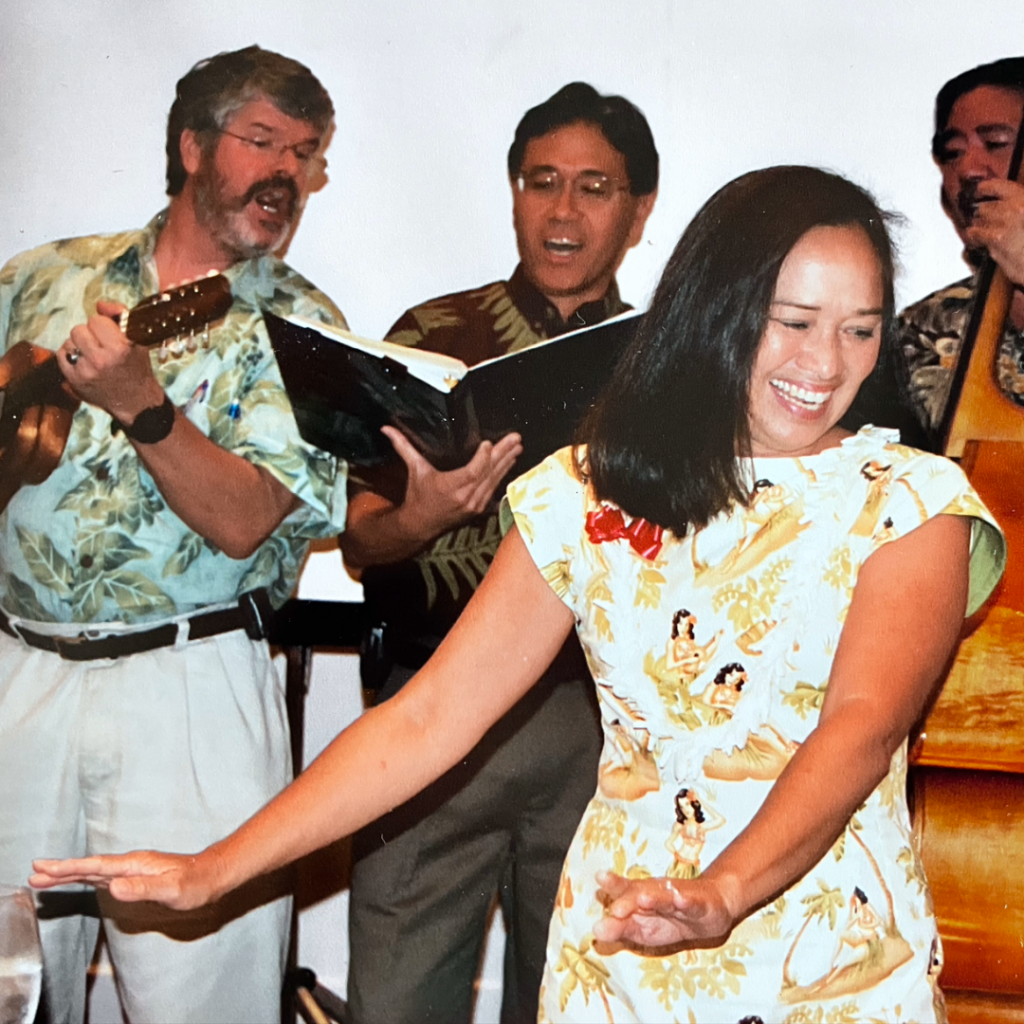
Mele Look
Mele Look has worked as a health researcher, community advocate, and health administrator for over 45 years. She was the first Director of Community Engagement at the Department of Native Hawaiian Health, University of Hawaii’s John A. Burns School of Medicine and presently serves as a Senior Advisor on select initiatives. At the Department, Ms. Look founded and facilitated the Ulu Network, a cardiometabolic health community coalition which has grown to 41 community-based organizations with over 80 sites that serve Native Hawaiians and other Pacific Peoples across Hawai‘i and the Continental U.S. She received her Master’s in Business Administration from University of California, Berkeley. Her research includes pioneering epidemiologic studies in the area of Native Hawaiian mortality, developing training in cardiometabolic conditions for community health workers serving Native Hawaiians and Pacific Islanders, and recently has been focusing on initiatives that merge cultural practices and health objectives. She has been a cultural practitioner in the Native Hawaiian dance of hula since 1974, and has completed the ‘uniki huʻe lepo and ‘ai lolo (graduations) as an ‘olapa (accomplished dancer) with Hālau Mōhala ‘Ilima a renown Hawaiian cultural and creative arts academy.
mele@hawaii.edu
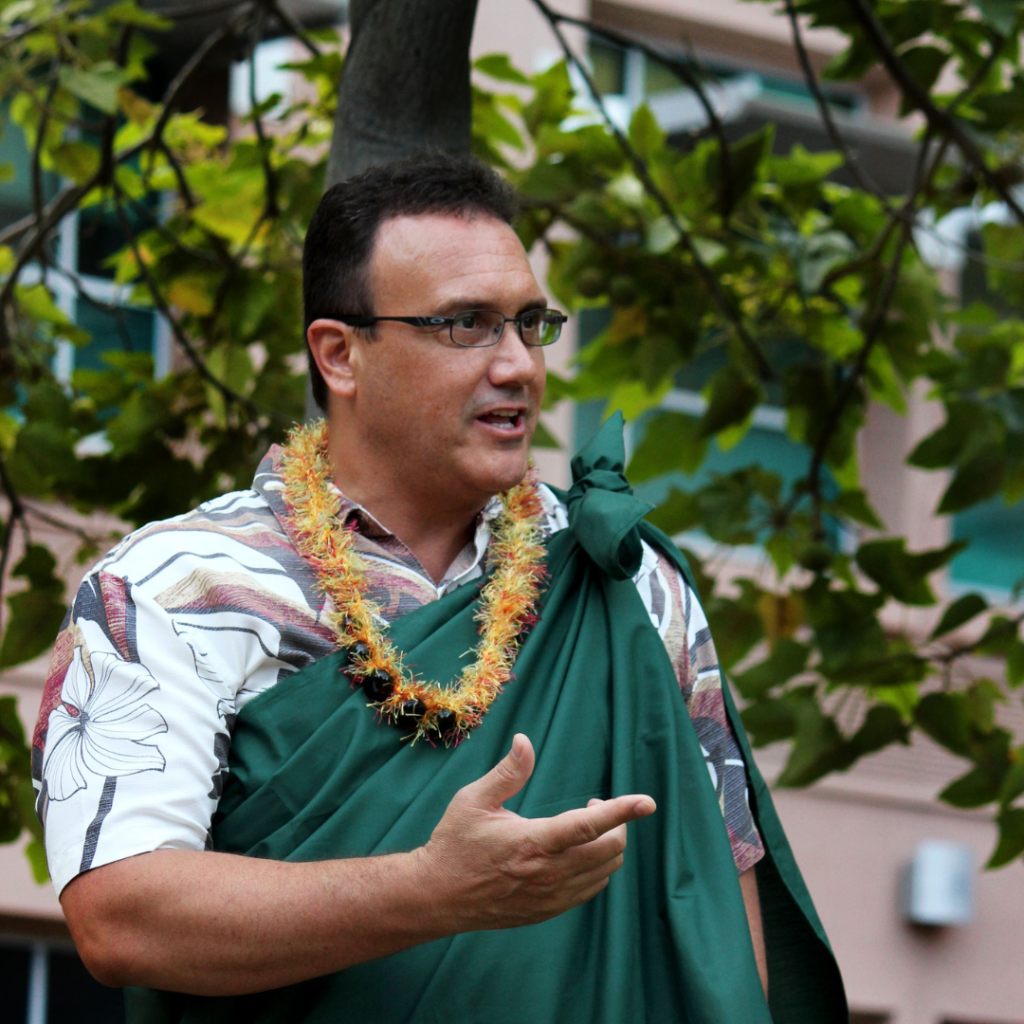
J. Keaweʻaimoku Kaholokula
J. Keaweʻaimoku Kaholokula, PhD is a tenured Professor and Chair of Native Hawaiian Health in the John A. Burns School of Medicine at the University of Hawaiʻi at Mānoa and a licensed clinical psychologist. He is a translational behavioral scientist who has led multiple, federally-funded research projects aimed at explaining, preventing, or treating cardiometabolic-related medical conditions in Native Hawaiians and Pacific Islanders to achieve health equity. He is the co-Principal Investigator for the Pacific Innovations, Knowledge, and Opportunities (PIKO) Clinical and Translational Research Center. With colleagues, he has developed national and international research training programs to support Native Hawaiian, Pacific Islander, and other science-underrepresented students, post-doctoral fellows, and junior faculty in pursuing a health science research career. His work is chronicled in over 140 scientific and academic publications and has had an impact on the local, regional, national, and international levels to bring systemic improvements to health care delivery, clinical outcomes, and policy. His strong commitment to achieving health equity for Indigenous communities is also reflected in his services on the national level as past Chair for the Intervention Research to Improve Native American Health (IRINAH) network, current co-Chair for the Asian American Native Hawaiian and Pacific Islander Special Interest Group of the Community Engagement Alliance (CEAL), and his appointment to the National Advisory Council on Minority Health and Health Disparities. In Hawai‘i, he has served on boards of organizations with a mission to improve population and Native Hawaiian health to include the Queen’s Health Systems, Hawai‘i Public Health Institute, and Papa Ola Lōkahi Native Hawaiian Health Board. He is a co-Lead of the Native Hawaiian and Pacific Islander COVID-19 Response, Recovery, Resiliency Team for Hawai‘i. As a Native Hawaiian, he is passionate about improving the health of Native Hawaiians and Pacific Islanders and has made a life-long commitment to improving their social and cultural determinants of health. He has been a cultural practitioner of hula since 1991.
Māpuana de Silva
Māpuana de Silva founded the esteemed Native Hawaiian culture and creative arts academy, Hālau Mōhala ‘Ilima in 1976. The Hālau located in Ka‘ōhao, O‘ahu has trained thousands of dancers from ages four to 90 years old. It is renowned for its excellence in classical hula training, expertise in traditional language arts, and is internationally admired for its award-winning dance performances. Kumu Hula Māpuana was trained by revered Kumu Hula Maiki Aiu Lake of Hālau Hula o Maiki and was bestowed title and privileges of Kumu Hula in 1975 through the formal ritual ‘ūniki (completion) ceremony. Kumu Hula Māpuana has collaborated with the University of Hawai‘i, John A. Burns School of Medicine (UH-JABSOM) on hula and health research studies since 2008. She has served as investigator, cultural consultant, author, master trainer, kumu hula, and Advisory Committee member on more than a dozen different hula and health studies. She is regarded as an international authority on the Hawaiian cultural practice of hula and Hawaiian creative arts with expertise in its relationship to health and well-being. Among the significant awards received are: University of Hawai’i School of Hawaiian Knowledge, Hawaiinuiakea’s ‘I Ulu ke Kumu’ award for extraordinary contributions to Hawaiian education and well-being, University of Hawaii College of Education for excellence in performing arts education, Pacific University Outstanding Alumnus, and Ahahui ‘Olelo Hawai’i for excellence in Hawaiian language education.
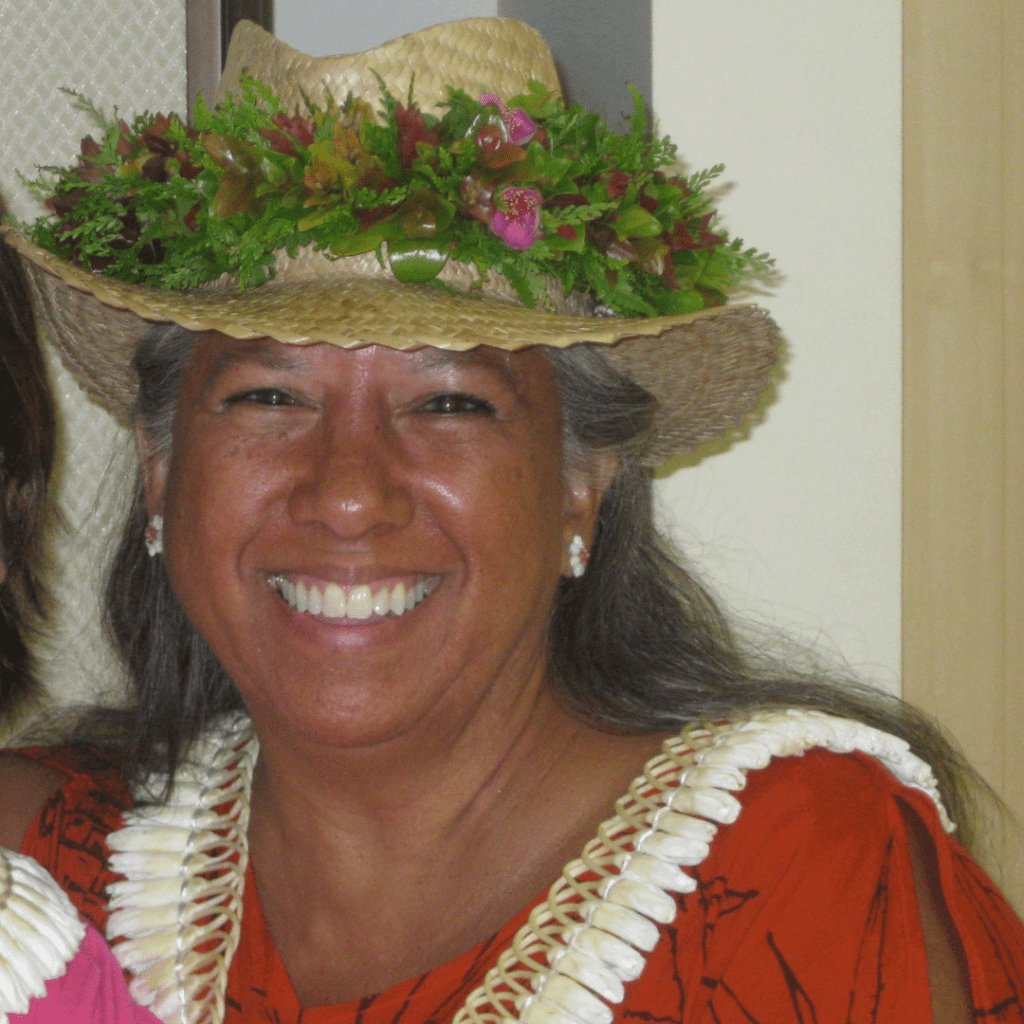
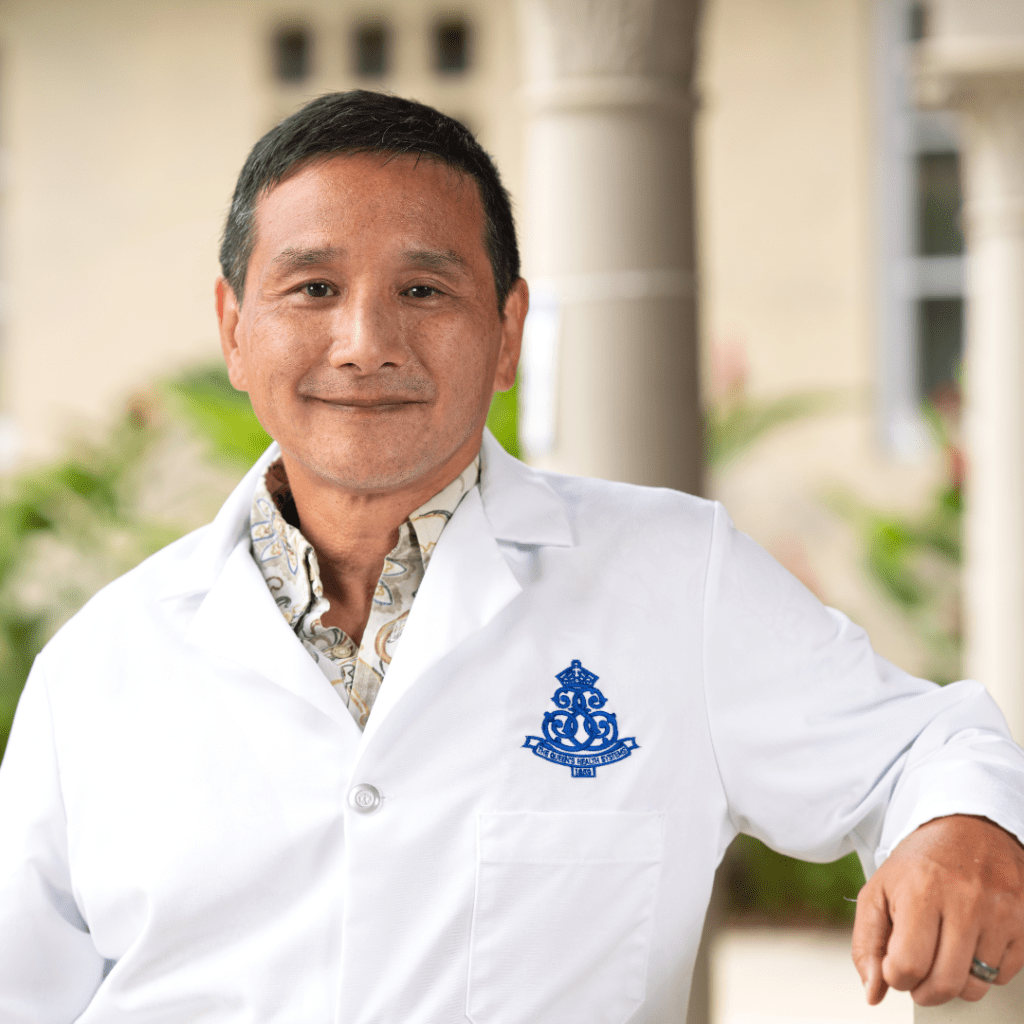
Todd Seto
Todd Seto, M.D. currently serves as the Chief Academic Officer at The Queen’s Health Systems. He is board certified in cardiovascular medicine and specializes in cardiac imaging. In his clinical roles, he applies his cardiology and echocardiography training to promote the best possible health outcomes for his patients. He sees patients as people, rather than the sum of their conditions. He observes that when he has more complete context of who his patients are and what they hope to accomplish through treatment, he is able to deliver more precise and compassionate care that aligns with their values. Dr. Seto is a highly published researcher in diverse areas of cardiovascular care, health disparities, and community medicine. He is frequently sought after as a research investigator and mentor on cutting edge innovation in diverse biomedical fields.
Mahalo
Thank you to our partners and funders.
Hālau Mōhala ʻIlima
Hui No Ke Ola Pono
I Ola Lāhui Hawaiʻi
Ke Ola Mamo
Kōkua Kalihi Valley
Kula no nā Poʻe Hawaiʻi
Mauli Ola LLC
The Queenʻs Health Systems
Waianae Coast Comprehensive Health Center
University of Hawaiʻi at Mānoa
John A. Burns School of Medicine at the University of Hawaiʻi
National Institute for Minority Health and Health Disparity
National Heart, Lung, and Blood Institute
National Institutes of Health
 Hula and Health